
What's the same
Shade first. Darkness is the percentage on the film, from 70% barely there to 5% limo, and both films come in the same shades. A 20% carbon and a 20% ceramic look almost identical from the street.
Both cut glare. Neither touches your phone, GPS or radio signal, because neither has metal in it. And both get the same lifetime warranty from us: if it bubbles, peels or fades, we fix it.
Where ceramic earns the extra
Heat. Ceramic film blocks more of the heat that comes through the glass, so the cabin stays cooler on a sunny afternoon and the air conditioning has less to do. You feel it most in summer traffic, sitting on the Oak Street Bridge with the sun on the side glass.
It matters more on some cars than others. A car with a lot of glass, a dark interior or black leather heats up fast. Teslas are the classic case, and we tint a lot of them, so they get their own Tesla tint guide.
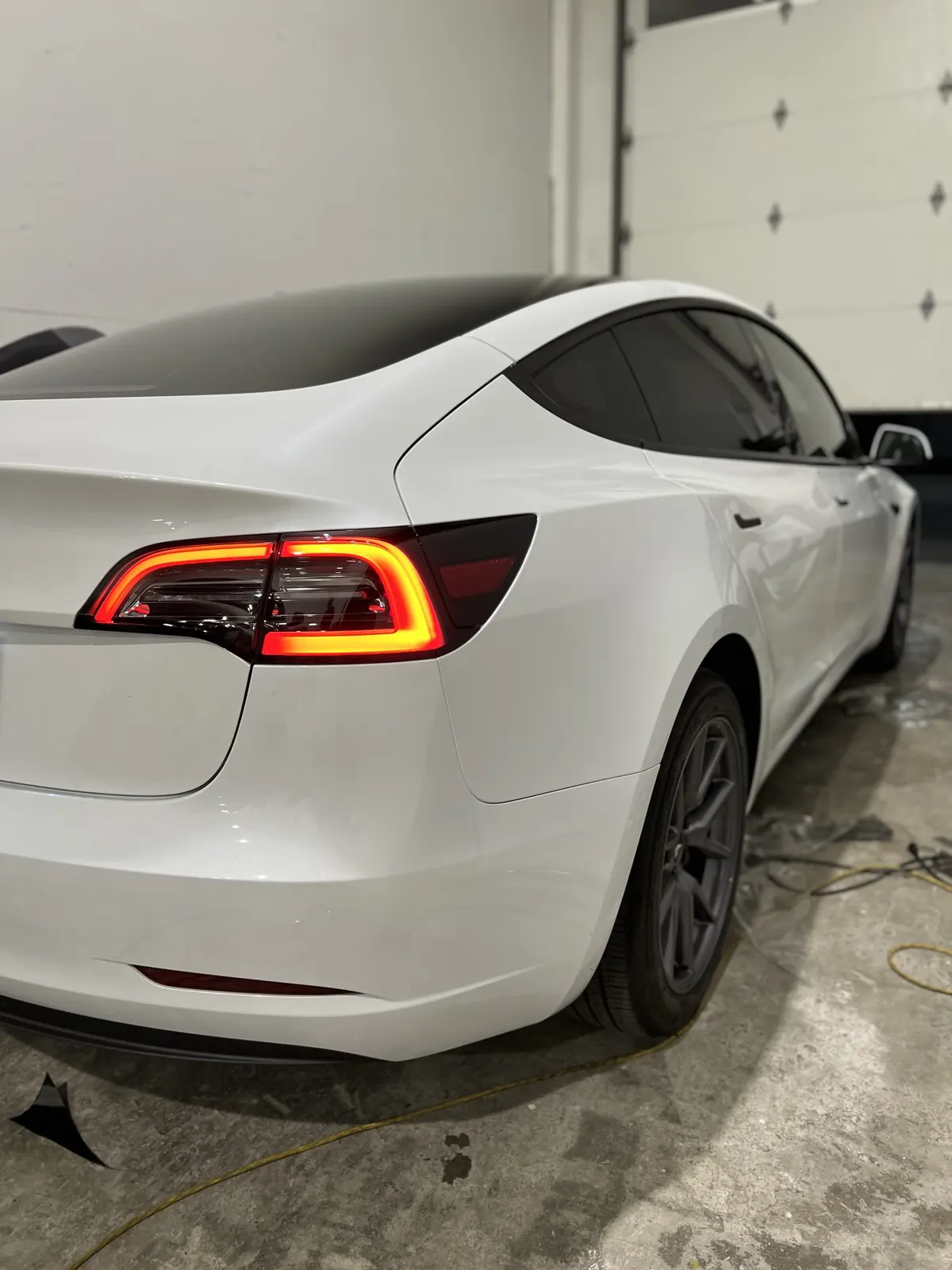
Ceramic also has a slightly deeper black on the glass. Carbon is a matte black. Both look clean.
Where carbon is enough
Vancouver isn't Phoenix. For a lot of drivers the reason to tint is privacy, looks and glare, not heat. Carbon does all three well and costs less.
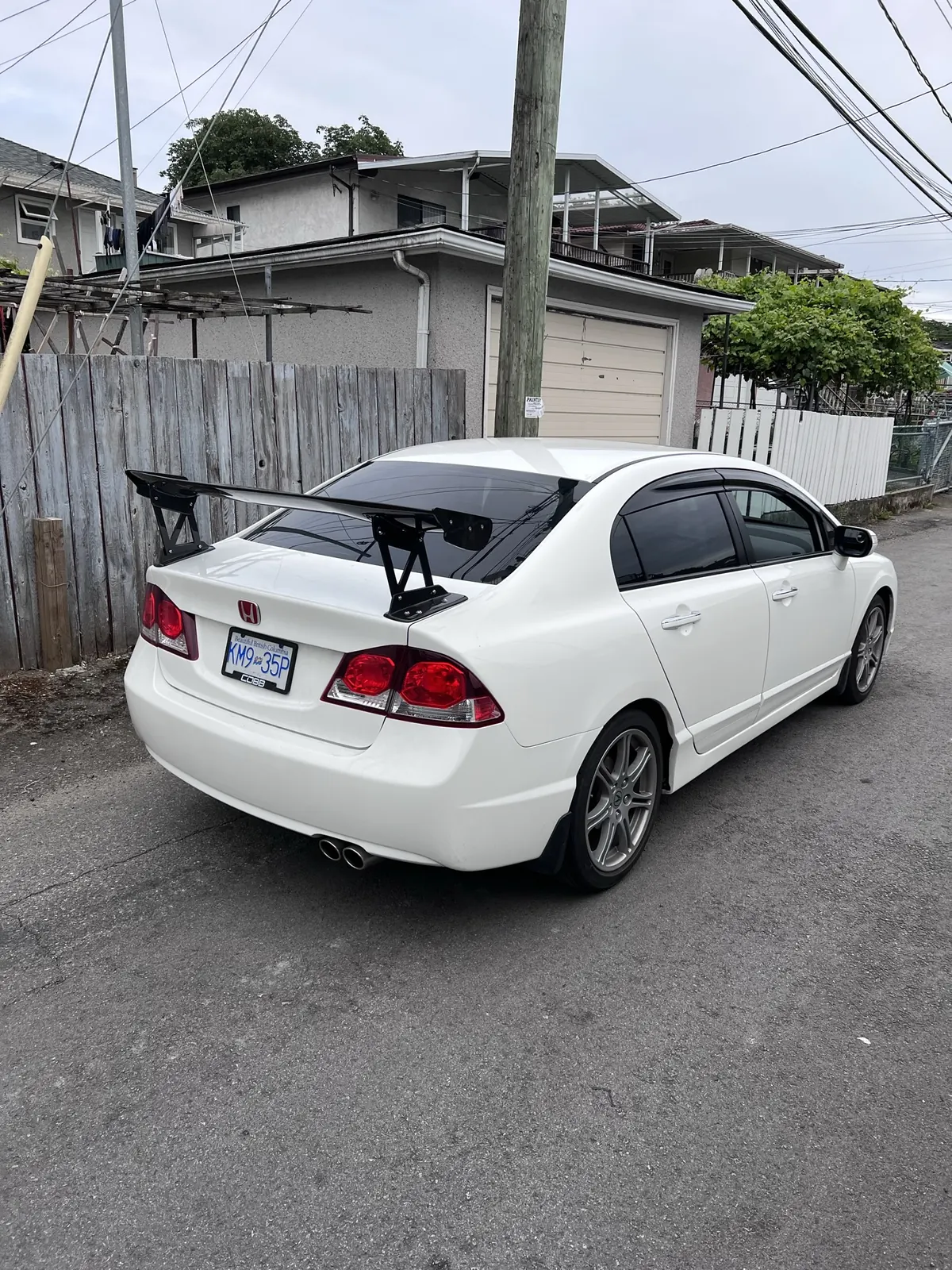
One customer put 20% on the hatch and both rear passenger windows of his 2020 Civic Type R. When the goal is the look and privacy, like on that car, carbon is enough.
Our pick
If heat bothers you, or the car has a lot of glass, pay for ceramic. You'll feel it every summer for as long as you own the car. If you mainly want the car darker and the inside out of sight, carbon is the smart buy.
Either way, most cars are done in 2 to 4 hours. Keep the windows up for 48 hours and let the film settle. A little haze or a few water spots in the first days is normal.
The packages are on our window tint page, where you can also try every shade on the car.

